

frosted glass dividers
Replacing the Main Water Shut-Off Valve A DIY Guide The main water shut-off valve is a crucial component of any plumbing system, responsible for controlling the flow of water into your home. Over time, these valves can corrode, become worn out, or develop leaks, necessitating a replacement. Understanding the process of replacing your main shut-off valve can save you money and give you a sense of accomplishment. Here’s a comprehensive guide on how to do it safely and effectively. Understanding the Valve Before diving into the replacement process, it's important to understand what the main shut-off valve is and its role in your plumbing system. Typically located near your water meter, this valve allows you to shut off the water supply to your entire home during emergencies or when conducting plumbing repairs. A faulty valve can lead to unexpected leaks, water damage, or increased water bills, making timely replacement essential. Tools and Materials Needed To replace your main water shut-off valve, you’ll need the following tools and materials - Pipe wrench - Adjustable wrench - Teflon tape - Replacement valve (ensure it's the correct size and type) - Bucket or towels (to catch any residual water) - Safety goggles - Gloves Steps to Replace the Valve 1. Turn Off the Water Supply Before you begin the replacement, turn off the main water supply to your home at the water meter. You may also need to schedule this for a time when you can manage without water for a few hours. replacing main water shut off valve 2. Drain the Pipes Open faucets in your sinks and tubs to drain any remaining water from the pipes. This will minimize water spillage when you disconnect the old valve. 3. Remove the Old Valve Using the pipe wrench, loosen the nuts that hold the valve in place. Depending on the type of valve and the positioning, this may require some effort. Once loosened, you can carefully remove the valve from the pipe. Make sure to place a bucket or towels underneath to catch any residual water. 4. Prepare the New Valve Before installing the new valve, wrap Teflon tape around the threads of the pipe to ensure a good seal. This will help prevent any leaks once the new valve is in place. 5. Install the New Valve Position the new valve over the pipe and hand-tighten it. Use the adjustable wrench to secure it further, but be careful not to overtighten, as this can damage the fittings. 6. Check for Leaks Once the new valve is installed, slowly turn the water supply back on. Check around the new valve for any signs of leaking. If you notice any, you may need to tighten the fittings more or double-check that the Teflon tape is applied correctly. 7. Test the Valve After ensuring there are no leaks, test the functionality of the new valve by turning it on and off. Make sure it operates smoothly without any hitches. Conclusion Replacing the main water shut-off valve is a manageable DIY project that can greatly enhance the reliability of your plumbing system. While it requires some effort and basic plumbing knowledge, following the steps outlined above can help you tackle the job with confidence. However, if at any point you feel uncertain about the process, don't hesitate to call a professional plumber. Ensuring a secure installation will protect your home from potential water damage and gives you peace of mind knowing that your system is in good working order. Happy plumbing!
about
frosted glass dividers
Understanding the Main Water Valve Importance and Functionality The main water valve is a critical component in any water distribution system, playing a vital role in managing the flow of water within residential and commercial properties. Often located near where the main water line enters a building, this valve serves as the primary control point for the water supply. Understanding its significance, functionality, and maintenance is essential for homeowners and property managers alike. First and foremost, the main water valve controls the flow of water into the property. In the event of a plumbing emergency, such as a burst pipe or major leak, the ability to quickly shut off the water supply can prevent extensive damage and expensive repairs. By being familiar with the location and operation of the main water valve, homeowners can act swiftly in emergencies, minimizing potential water damage. This proactive approach not only protects the property but also helps in maintaining the integrity of the plumbing system as a whole. There are different types of main water valves, the most common being gate valves and ball valves. Gate valves operate by lifting a gate inside the valve when turned, allowing water to flow. However, they can be slower to open and close and may corrode over time, especially if not used frequently . On the other hand, ball valves utilize a spherical disc to control the flow and are generally more durable and efficient. The smooth operation of ball valves results in a quick shut-off capability, making them a preferred choice in many modern systems. main water valve Regular maintenance of the main water valve is crucial to ensure its reliability and functionality. Homeowners should periodically check the valve for signs of leaks, corrosion, or any operational issues. It is advisable to exercise the valve by turning it on and off a few times each year, as this can help in preventing it from seizing due to lack of use. Additionally, ensuring that the valve is easily accessible and not obstructed by storage or landscaping will aid in quicker response times during emergencies. In many regions, the main water valve is also tied into local water regulations and codes. Understanding these regulations can shed light on when and how to engage the valve, especially during times of maintenance or emergencies. Some homeowners may also consider installing a secondary shut-off valve or a pressure-reducing valve in conjunction with the main valve to further regulate water flow and protect against fluctuations in water pressure. In conclusion, the main water valve is an essential element of a property's plumbing system, providing control over the water supply and serving as a critical safety feature during emergencies. By understanding its function, types, and maintenance requirements, homeowners can take proactive steps to protect their properties and ensure efficient water management. Regular checks and familiarity with this vital component can save time, money, and stress in the face of plumbing challenges.
-

High quality industrial productsagement

High quality industrial products
View Details -

Meet the diverse needs of customers

Meet the diverse needs of customers
View Details -

Strict quality control

Strict quality control
View Details -

Top raw materials

Top raw materials
View Details -

Trusted supplier

Trusted supplier
View Details
Our application

news and information
valve supplier
Choosing the right valve supplier is a critical decision for manufacturers and industries worldwide.
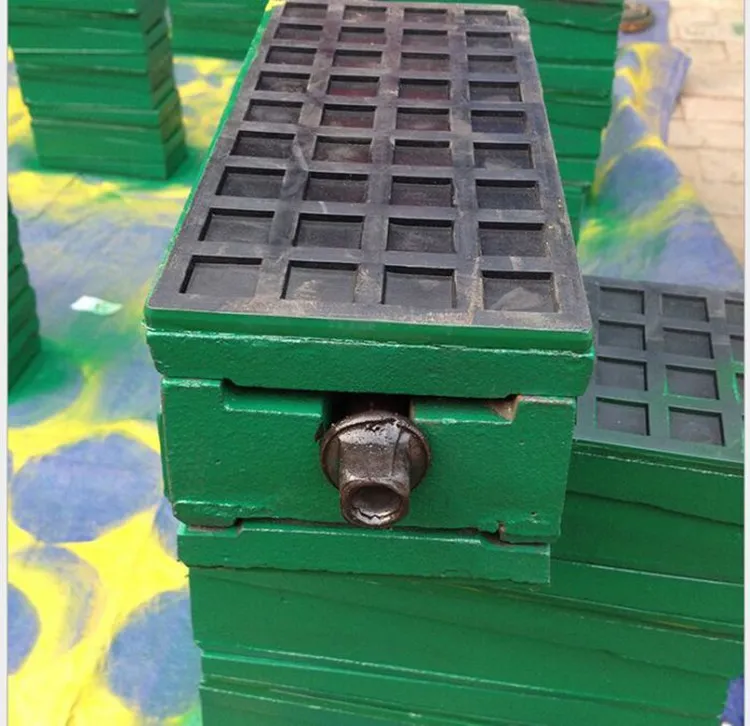
Using a Spirit Level for Accurate Measurement Techniques and Applications
Understanding the Spirit Level and Its Measurements The spirit level, also known as a bubble level,
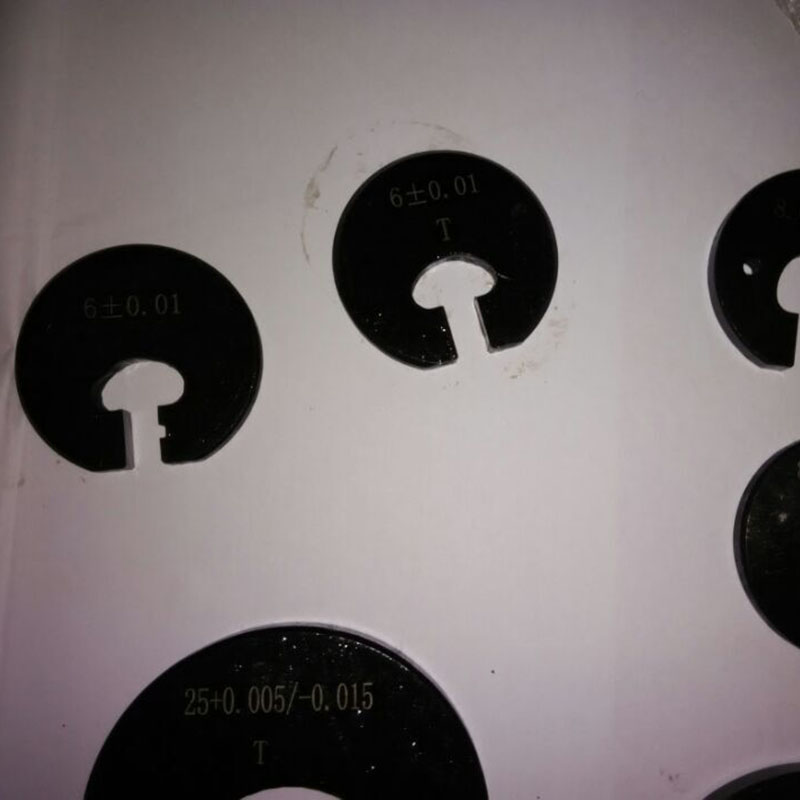
Welding Methods Used in Metal Table Fabrication
In the realm of metal table fabrication , choosing the right welding methods is crucial for creating
 English